Welcome!
Thank you for joining me today. My name is Ann…
If you look around your workplace you may have come across many examples of male centered women. Male-centered women are women who center men’s world views and values ahead of women’s rights and interests. Women may choose to center men because of the socialization they have received in their lives. Socialization of girls and women can be very demanding, and it is hard to shake an attitude of submissiveness, compliance and caretaking. In the workplace women center men in order to gain the success they want in their careers. The women that conform to the male-centered workplace and its culture are the ones that are rewarded. The women that resist the male centered culture are not. So, the male centered attitudes and culture in the workplace is sustained. Workplace bullying, gender discrimination, microaggression’s and bias reenforces a massive imbalance of power that outweighs fairness and suppression by other male-centered women, who encourage the denigration of women’s rights, for their own personal gain and agenda. HR many times are the culprits; they are many times, used as pawns or scapegoats.
Social validation of women in the society often reinforces masculine attitudes directly or indirectly. A lot of women are conditioned to believe that having an opinion is not as important as achieving their goals in life. Women are conditioned to advance in their careers by acting out masculine expectations and by agreeing with male perspectives. By keeping silent and by condoning the male gaze women are achieving short term gains but reinforcing structural inequalities that will affect women and girls for years to come.
Women encounter a number of barriers in the workplace. Manipulation and coercion are an example of a number of these barriers. Influencing women to take into account the views of men is a very alienating experience for women with opinions. Women give up their rights to the promise that they will gain recognition in the workplace for being more accommodating to men. The pressure to conform to male norms and standards of workplace behavior is often so great that women are reluctant to assert themselves in a struggle for equality. Instead, women adjust their workplace behavior to fit in and to avoid conflict with men in positions of power and authority. In attempting to fit in and to avoid conflict, women can actually become part of the destructive and unproductive workplace culture that thwarts innovation and gender equality. There is a choice of being battered or having a career. They choose to become male identifiers because they can earn more money, have more prestige in their jobs and become members of male social networks which are closed to female identifiers. It is a selfish choice which is an obstacle to women joining together to combat the gender discrimination and prejudice which they suffer in the labor market. Instead of a common goal, women are divided by the different aspects of their identity, for example an individual may choose to be an ‘engineer’ but remain a ‘feminine woman’ and the fragmentation of women’s identity and consciousness helps to maintain the sexist status structure. The temptation of success is so strong that women have to give up and compromise equal rights for women. The effects are enormous and can influence the careers of women, a department or indeed an entire organization. The effects of the behavior can then spread into society and slow down the progress towards women’s rights. When women agree to the male patriarchal ideology, they are shutting down opportunities for women in the here and now as well as in the future. Rather than just fighting for their career and trying to manage their work situation, women could show greater solidarity with each other and act with a greater sense of sisterhood in the workplace. And one day perhaps, women will have the opportunity to choose between their career and their sisterhood without having to compromise either one.
Male-centered women in the workplace often find themselves caught in a tricky situation. These women, who have climbed the corporate ladder, sometimes adopt traditional male behaviors to succeed. This can create a “queen bee” effect, where they may not support younger women or female colleagues. Instead of helping each other, they might feel threatened and push other women away. This behavior can make it harder for women in general to advance and can lead to a less supportive environment for all.
The queen bee syndrome or mean girls’ syndrome adds to the challenges that young women face in their careers. When established women do not mentor or uplift younger female colleagues, it limits opportunities for growth. Younger women may feel confused, wondering why they aren’t receiving support from those who should understand their struggles. This lack of support can cause feelings of isolation and frustration, making them question their worth and place in the workplace, which ultimately lowers morale and decreases productivity. Additionally, coercive control is also factor as it significantly undermines women’s rights in the workplace, often perpetuating a male-centric environment that stifles female empowerment. This form of manipulation can manifest through subtle tactics, such as undermining a woman’s confidence or limiting her professional opportunities, ultimately reinforcing traditional gender roles. As a result, women may feel pressured to conform to expectations that prioritize male authority, hindering their ability to assert themselves and pursue career advancement of their choice. The outrageous and self-serving nature of coercive control not only affects individual women but also contributes to a broader culture that marginalizes their contributions, making it essential to address these dynamics to foster a more equitable workplace.
It’s also to point out the differences between women leadership styles, here’s an example of positive leadership and negative styles: The distinction between an alpha female and a queen bee in the workplace lies primarily in their leadership styles and interpersonal dynamics. An alpha female is often characterized by her assertiveness, confidence, and ability to inspire others, fostering collaboration and empowerment among her peers. In contrast, a queen bee typically exhibits a more competitive and territorial approach, often prioritizing her own status and success over the development of her colleagues. While both figures can wield significant influence, the alpha female tends to create a more inclusive environment, whereas the queen bee may inadvertently stifle the growth of those around her, leading to a more hierarchical and less supportive workplace culture. These dynamics can impact the rights of women and young adults significantly. If women in power don’t stand together, it makes it harder to push for equality in the workplace. Many important issues, such as equal pay and fair treatment, might take longer to solve when the support is lacking among women. To create better work environments, it is crucial for all women, especially those in leadership roles, to unite and foster collaboration, allowing both women and young adults to thrive in the workplace.
Women who embrace their power often become beacons of hope and inspiration for those around them, demonstrating that resilience and strength can lead to profound change. By fostering an environment where women feel safe to express their thoughts and aspirations, we cultivate a culture of courage that encourages everyone to pursue their dreams unapologetically. In this way, the empowerment of women becomes a collective endeavor, enriching the fabric of society and paving the way for a future where freedom and joy are accessible to all.
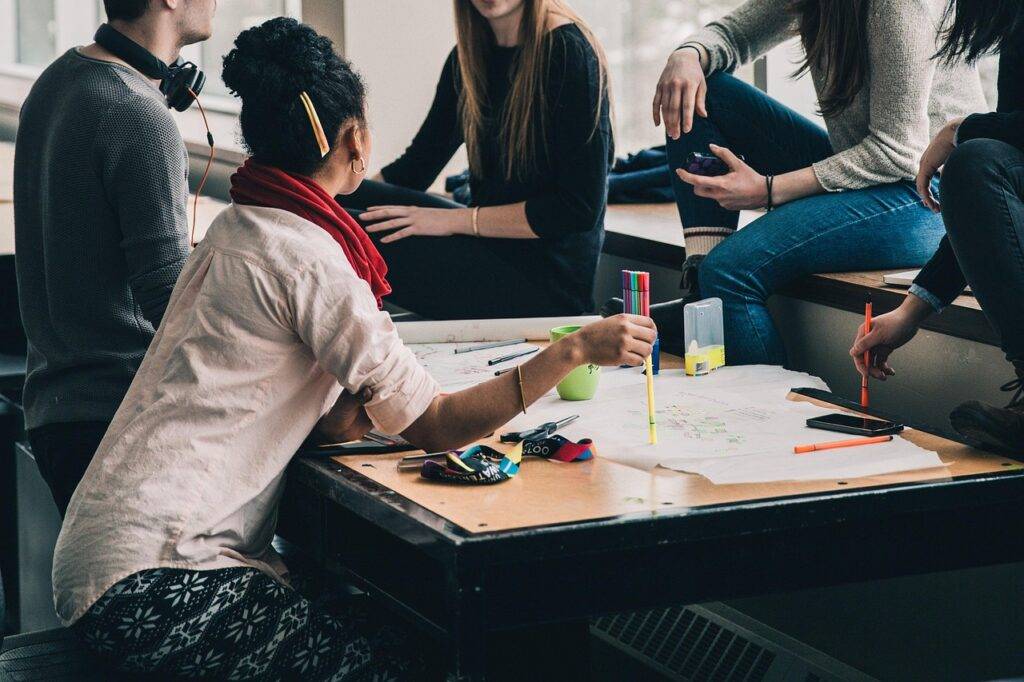
Image by StockSnap from Pixabay
We can all be equal to each other regardless of gender if we accept and respect choices as they are. As women and men, we can all contribute to creating a more just and equal society. One way of offering support is by really listening to the lives of others and having a discussion around the issues that affect us all in a respectful manner. By giving people, the space to be able to share their experiences without fear of judgment or retribution we can develop empathy for others and ensure that our communities are safe places for all to seek the help they need when they need it. Take the time to ask for our opinion, to ask for our feelings on issues and to ask if there is anything that you can do to help us. Give us the respect we deserve as human beings with valid views, ideas and opinions that deserve to be heard. We are not talking about changing the values and customs of our workplaces or communities, we are talking about enabling individuals to live the lives they want and enabling them to reach their full potential.
Empowering others is another way men and women can make a positive difference to their communities. By mentoring, knowledge sharing and utilizing the life experience that we have all gained we can empower others. Men and women have unique life experiences and skills that they can pass on to others. As men’s and women’s coaches we have the opportunity to empower and inspire others by sharing examples from our own lives. A woman in a workplace and community can be a role model to young girls and can empower them by mentoring them in areas that offer, happiness, individual freedom and self-expression, therefore inspiring them to select their own path. Teaching empathy and emotional intelligence can greatly benefit them in life, as it’s a way to find common grounds and work towards finding solutions in life, instead of judgment. In the same way men can empower young boys by educating them to understand the importance role model of what being a man really means and teaching assertive listening skills, emotional intelligence, empathy and respect for all people regardless of gender or characteristics. By empowering others through these kinds of relationships men and women can create a trust that enables people to reach their full potential.
Cooperation opportunities can benefit individuals as well as social norms that stand in the way of achieving equality. Men and women can participate together in community projects with the goal of creating a partnership for a common purpose and mutual respect. A workshop, forum or skills discussion group can create a space for reciprocal training and self-confidence-building through the sharing of experiences in an atmosphere of equality where men and women participate on an equal footing. Men and women can share their experiences in a context of mutual respect for differences and skills and create a sense of belonging. All of the above can help to eliminate coercive social norms and attitudes that restrict individual freedom. It’s important to remember that individual freedom is for everyone and free countries were founded and built on this principle, idea and right.

Image by Werner Heiber from Pixabay
Thank you for taking the time to read my article! I hope it has helped you gain a broader understanding of the diverse lives we live. Emotional intelligence and a willingness to consider different perspectives are essential for fostering positive change and personal growth. By embracing these qualities, we can cultivate a more compassionate and understanding world. It’s crucial for everyone to enjoy their individual freedoms, as they are integral to achieving fulfillment and connection in our shared human experience. We must open our eyes and really look at what is happening in real time and be courageous enough to start adjusting our behaviors and views. Remember, small steps can make a huge impact.
Sincerely,
Ann
Visit My Product Catalog and Services:
HR Scripts for Employees Course Workbook
Educational Articles:
Gender Based Differences 2025 Study
Social Security Loss of Benefits for Stay-At-Home Parents
How To Empower Women in The Workplace Resource
Share This Article: